Make Invisible Pollution Visible
Every time we wash synthetic clothes, thousands of plastic microfibers enter our water systems, where they are ingested by marine life and disrupt ocean ecosystems. Learn how your choices can help protect our oceans.
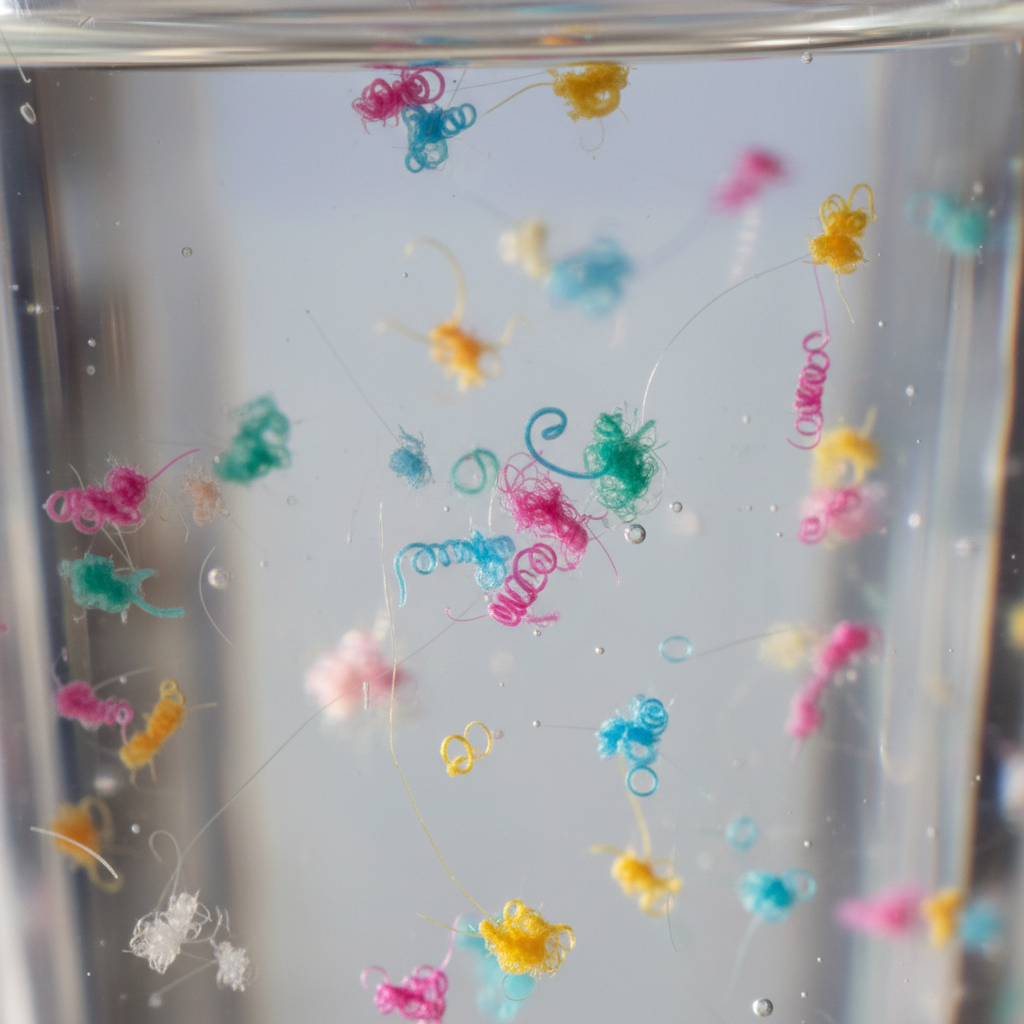
Microfibers: The invisible threat to our oceans
What Are Microfibers?
Microfibers are tiny plastic threads shed from synthetic clothing during washing. A single load of laundry can release hundreds of thousands of these fibers into our water systems.
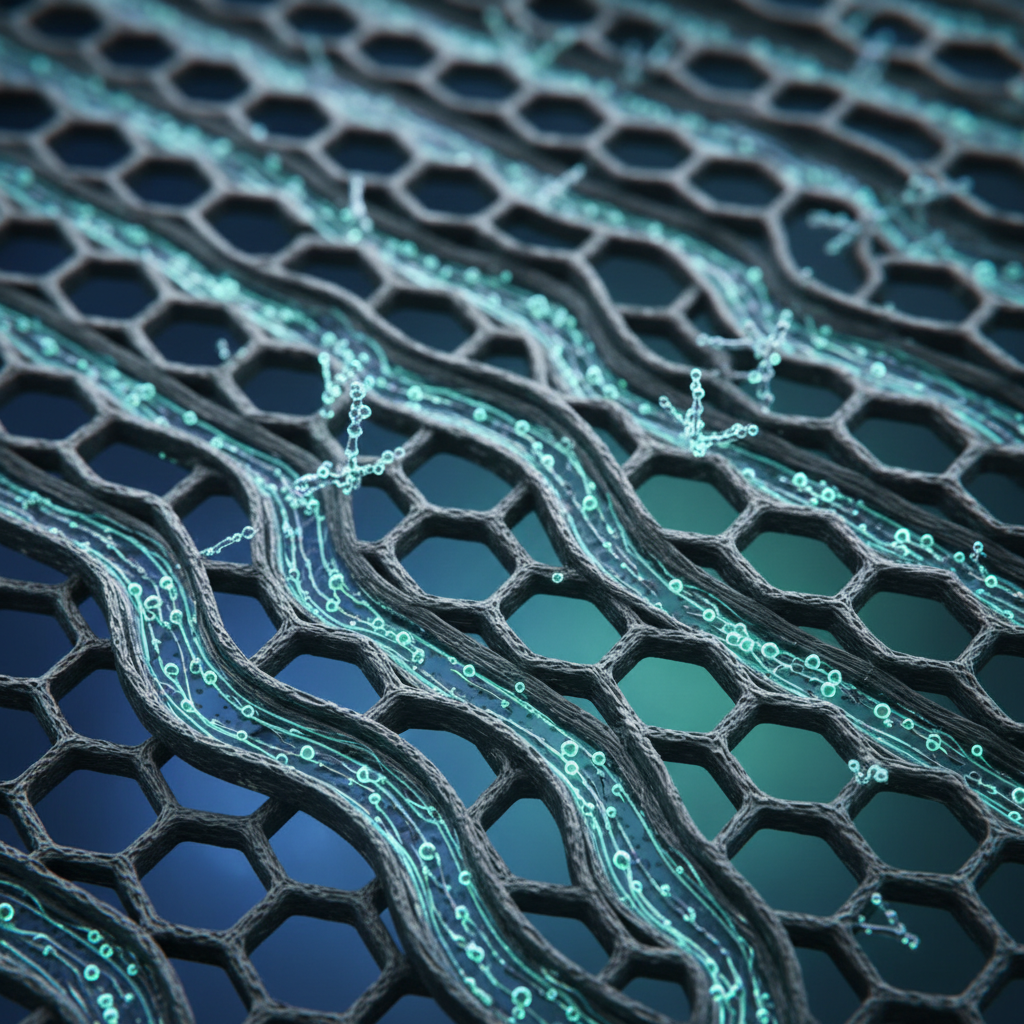
These microscopic pollutants are too small to be filtered by wastewater treatment plants, eventually making their way into rivers, lakes, and oceans where they harm marine life and enter the food chain.
700,000+ fibers per wash
35% of ocean microplastics
Impact on Marine Life
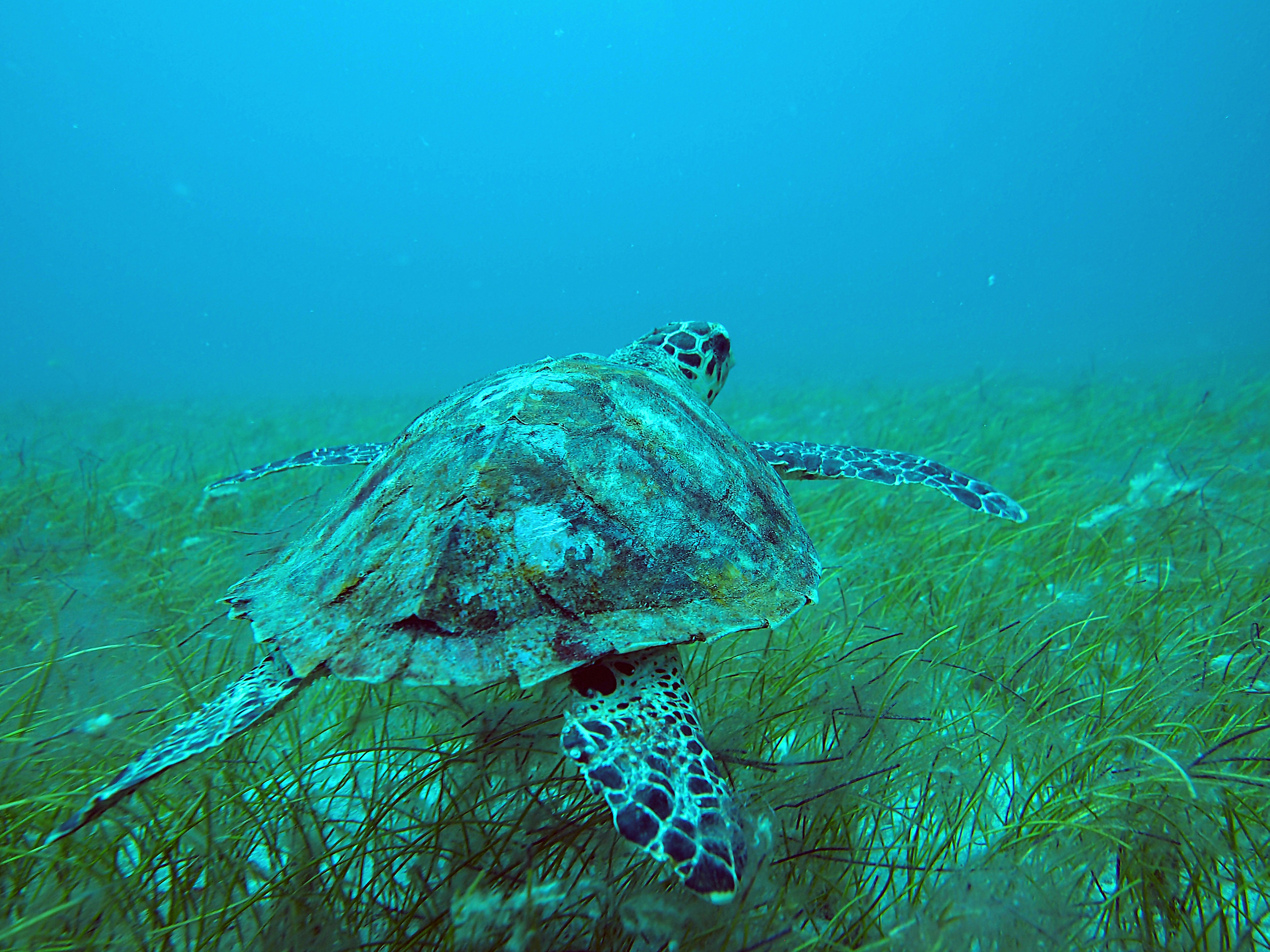
Marine animals mistake microfibers for food, leading to digestive problems, reduced nutrition, and even death. These tiny particles accumulate in the tissues of fish and shellfish.
Studies show that microplastics have been found in over 100 aquatic species, from tiny plankton to large whales. The contamination affects entire ocean ecosystems.
90%
of seabirds have plastic in their digestive systems
Solutions Start With You
Small changes in how we buy, wash, and care for our clothes can make a big difference
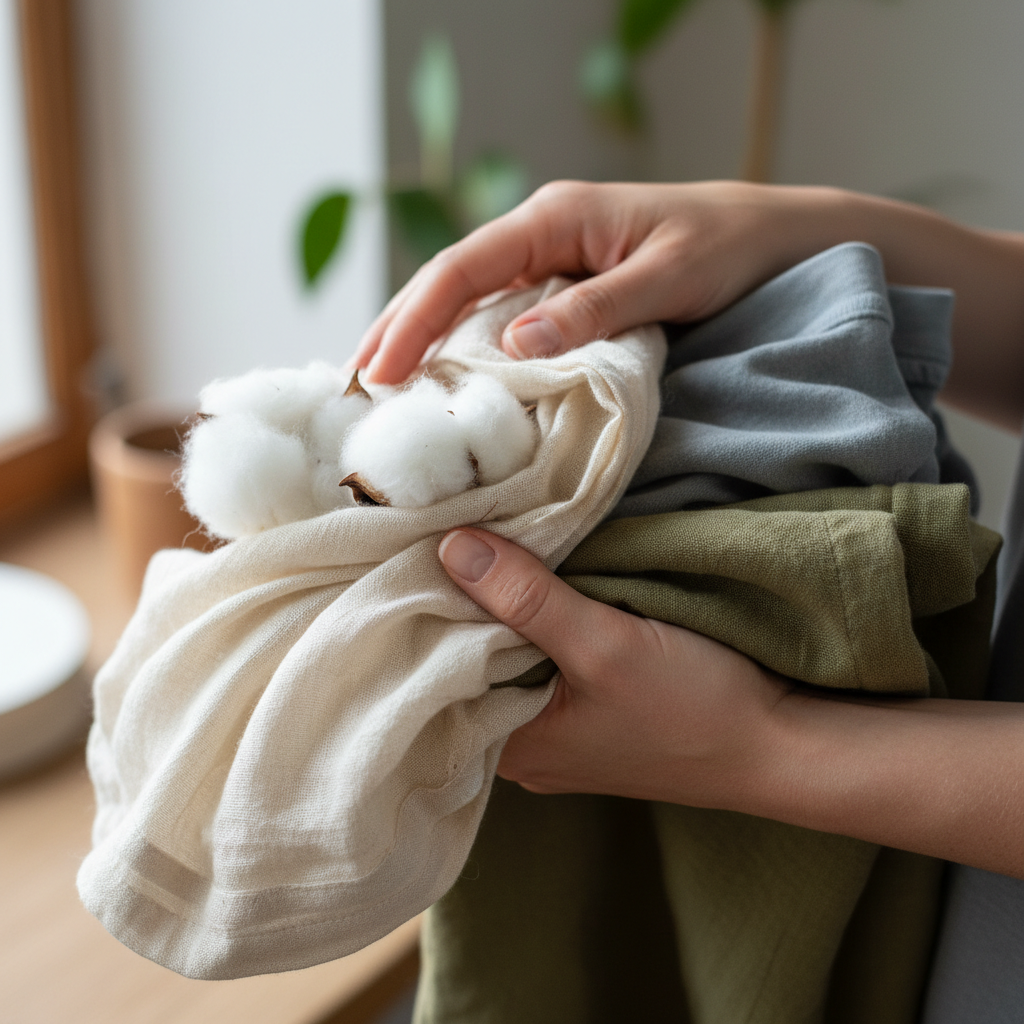
Choose Natural Fibers
Opt for cotton, wool, linen, and other natural materials that shed biodegradable fibers instead of plastic.
Wash Less Often
Reduce washing frequency, use cold water, and shorter cycles to minimize fiber shedding.
Use Fiber Filters
Install washing machine filters or use laundry bags designed to catch microfibers before they enter waterways.
Explore Our Tools
Use our interactive tools to learn more about microfiber pollution and make informed choices